
QSC clarifies COVID 19 temporary safe harbour and insolvent trading — practical lessons for directors and insolvency practitioners
The Supreme Court of Queensland (Muir J) has delivered an important judgment for directors and insolvency practitioners on insolvent trading, the construction of the COVID 19 temporary safe harbour in s 588GAAA, and causation/set off arguments premised on alleged defects in supplier performance.
Background: Strawberries, the Parties, and Why the Claim Was Brought
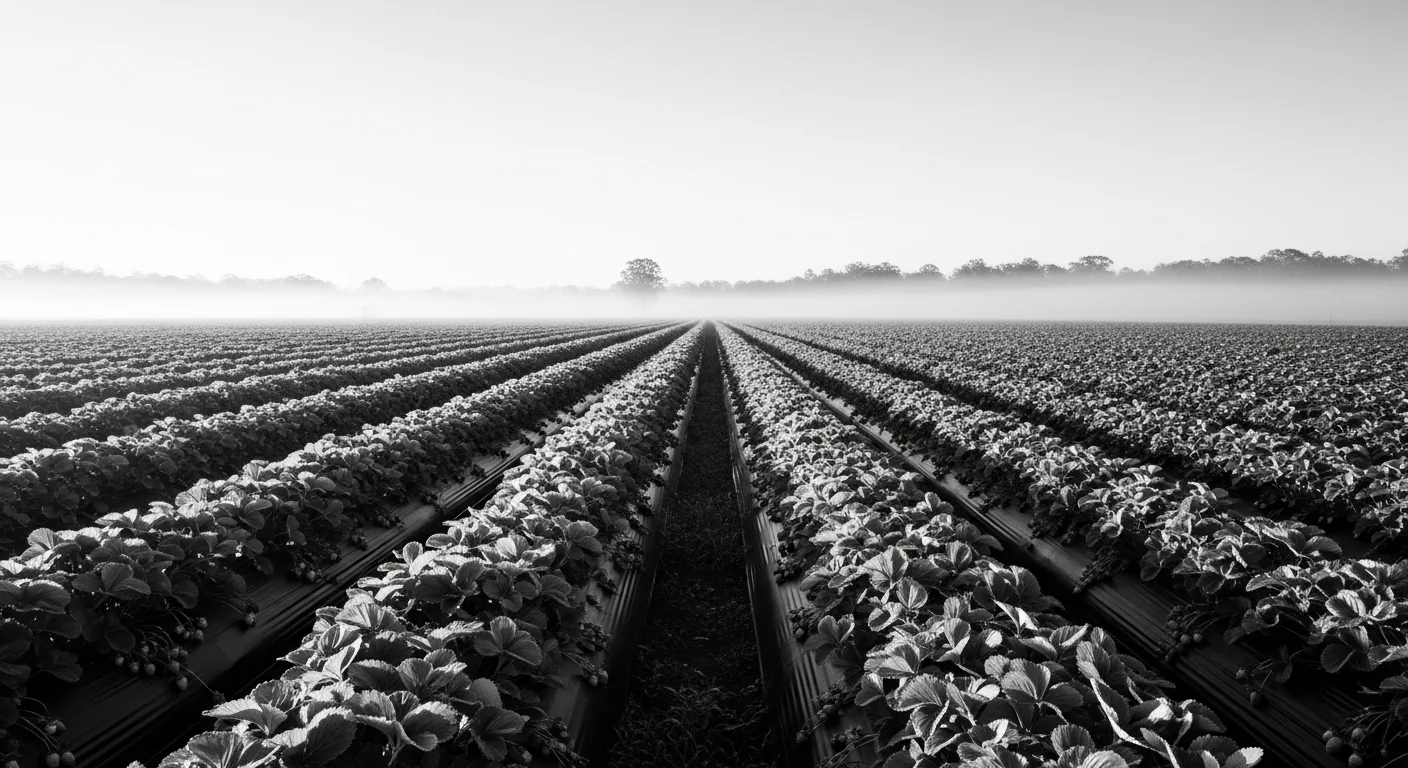
This case arises out of unpaid labour hire invoices for strawberry picking and packing work at a Glasshouse Mountains farm. Star Recruitment Service Pty Ltd (a licensed labour hire provider) supplied GG Group (QLD) Pty Ltd with workers under a written Services Agreement to pick and pack strawberries; GG Group operated the strawberry enterprise and was solely directed by Mr Leonard Brian Smith.
When GG Group failed to pay $1,632,162.07 in invoices rendered between 28 August 2020 and 3 November 2021 and was placed into liquidation on 1 December 2021, Star brought an insolvent trading claim against the director to recover the unpaid post safe harbour debt. Baystone Legal acted for Star and succeeded at trial.
Executive Summary
The Supreme Court of Queensland (Muir J) has delivered an important judgment for directors and insolvency practitioners on insolvent trading, the construction of the COVID-19 temporary safe harbour in s 588GAAA, and causation/set-off arguments premised on alleged defects in supplier performance.
Judgment was entered for the plaintiff, Star Recruitment Service Pty Ltd, against the sole director of GG Group (QLD) Pty Ltd for contravention of s 588G, with:
- Compensation: $1,108,441.71
- Pre-judgment interest: $321,422.28 under s 58 Civil Proceedings Act 2011 (Qld)
- Costs: on the standard basis
Why This Case Matters
"Whilst it is unfortunate that clearer language was not used, it would be surprising if Parliament required an appointment to take place within the safe harbour period for the protection in s 588GAAA to apply." — Muir J
The Court clarified the scope of the COVID-19 temporary safe harbour and provided a practical roadmap for proving cash flow insolvency using contemporaneous records. It also rejected attempts to shift causation to supplier performance where the company retained control.
Factual Background
- GG Group operated a strawberry farming enterprise on leased land and engaged Star Recruitment under a Services Agreement to supply picking/packing labour
- The company accumulated unpaid invoices totalling $1,632,162.07 between 28 August 2020 and 3 November 2021
- The company entered creditors' voluntary liquidation on 1 December 2021
- The plaintiff pursued compensation against the director under s 588M(3) for contravention of s 588G(2)
Issues Before the Court
The Court addressed four key issues:
- The construction of s 588GAAA(1)(c)
- Whether the company was cash flow insolvent (applying Briginshaw to the civil standard)
- Whether the s 588H(2) defence was established
- Whether alleged "knockouts" broke causation or supported set-off under s 553C
The COVID-19 Temporary Safe Harbour (s 588GAAA)
The Court held that s 588GAAA(1)(c) contemplates, but does not mandate, an appointment during the safe harbour period; the protection applies to debts incurred in the ordinary course during the period, whether or not an appointment occurs then.
"The shield for directors is available, whether an appointment is made or not." — Muir J
Applying that construction, invoices totalling $523,720.36 incurred between 28 August 2020 and 31 October 2020 were excluded from the s 588G quantum; the balance of $1,108,441.71 remained in issue.
Standard of Proof and Approach to Insolvency
"As a matter of commercial reality, the Company was unable to pay its debts as and when they became due and payable from 1 January 2021." — Muir J
The Court applied the civil standard, informed by Briginshaw, given the seriousness and potential civil/criminal consequences of insolvent trading findings. The insolvency inquiry was anchored in s 95A's cash flow test and commercial reality, with Plymin factors a useful aid but not a substitute for the statutory test.
The Court relied on the company's core financial sources—financial statements, MYOB transaction listings, bank statements, and tax materials—and found them internally consistent and reliable.
Findings on Insolvency
The Court commenced its assessment at 1 January 2021, recognising the safe harbour's effect on quantum but not erasing the continued relevance of pre-period debts to the company's cash flow thereafter.
Key indicators of insolvency:
- Cash remained minimal
- Trade creditors rose from approximately $3.34m (30 June 2021) to approximately $4.04m (1 December 2021)
- Liquidity ratio was consistently below one (0.41 in FY21; ~0.11 at liquidation)
- At least 60% of liabilities were >90 days overdue
- Payments were often rounded and not tied to specific invoices
The Ceravolo arrangement (retaining up to 57% of sale proceeds) and conditional/indicative third-party facilities meant insufficient cash to meet debts as they fell due. Excluding extraordinary COVID-era support, the business remained loss-making and illiquid.
Director Knowledge and s 588G Contravention
Given the records and trading position, there were reasonable grounds for suspecting insolvency at the relevant times; the director conceded this follows if insolvency is proved.
The director's messages and admissions showed acute awareness of persistent non-payment and cash flow distress, satisfying s 588G(2)(a); a reasonable person in like position would have been similarly aware, satisfying s 588G(2)(b).
Defence Under s 588H(2)
"Expectation, as required by s 588H(2), means a higher degree of certainty than mere hope or possibility." — Muir J (quoting Bott)
The Court rejected the director's asserted expectation as "hopeful" and inconsistent with known records; conditional/indicative facilities (Semper/THN), purpose-limited funds, and essential asset realisations could not ground a reasonable contemporaneous expectation of solvency.
Causation, Set-Off, and Knockouts
"Knockouts happen all the time." — concession in cross-examination
"Turn fruit around to hide small dry marks and green bottoms... only throw fruit that cannot be hidden." — Company instructions quoted by Muir J
The director alleged that knockouts of strawberry consignments caused loss or supported set-off under s 553C, rather than the company's insolvency. The Court held no necessary causal link was proved: knockouts pre-dated the engagement, occur for multiple reasons, and the company retained ultimate quality control; instructions to conceal substandard fruit further severed causation.
Orders
- Compensation: $1,108,441.71
- Pre-judgment interest: $321,422.28 under s 58 Civil Proceedings Act 2011 (Qld)
- Costs: on the standard basis
Practical Guidance for Directors
- Understand the safe harbour's limits: Debts incurred "in the ordinary course" during 25 March–31 December 2020 may be protected from s 588G(2) liability even without an in-period appointment; however, those debts remain due and inform post-period cash flow solvency.
- Monitor liquidity with contemporaneous records: Persistent aged payables, sub-one liquidity ratios, rounded/piecemeal payments, and financier retentions eroding net cash are red flags of cash flow insolvency.
- Rely on timely, committed funding only: Indicative/conditional term sheets, slow refinancings, purpose-limited facilities, and essential asset sales rarely support a reasonable expectation of solvency.
Practical Guidance for Insolvency Practitioners
- Framing s 588GAAA: This judgment supports protection throughout the regulated period without requiring an appointment, while preserving the relevance of safe harbour period debts to later cash flow analysis.
- Evidence strategy: Anchor insolvency findings in the company's own records; ensure completeness of MYOB/ERP, bank statements, creditor ageing, and contract terms; avoid over-reliance on unaudited estimates without corroboration.
- Funding assessments in commercial reality: Test timing, conditions precedent, permitted use of funds, and whether cash will actually reach unsecured creditors as debts mature.
Closing Note
This judgment reaffirms that insolvency remains a cash flow concept assessed against contemporaneous commercial realities, and that hopes of future funding or improvements cannot substitute for timely, committed cash for due debts. It also settles, at Supreme Court level in Queensland, a pragmatic construction of the COVID-19 temporary safe harbour that focuses on the regulated period's function rather than an artificial appointment requirement.